Learn proper form, build endurance and discover the mental benefits of skipping.
Skipping has quietly become one of the most effective full-body workouts available to anyone willing to step outside and swing a cord. Unlike bulky gym machines that require expensive memberships and daily commutes, a single piece of equipment that costs less than a lunch out can deliver cardiovascular benefits that rival marathon training. The rhythm of each bounce builds coordination, sharpens reflexes and conditions the calves and shoulders simultaneously. Athletes across disciplines from boxing to soccer have relied on this simple tool for decades, recognizing that the footwork developed on a taut cable translates directly to agility on the field or in the ring.
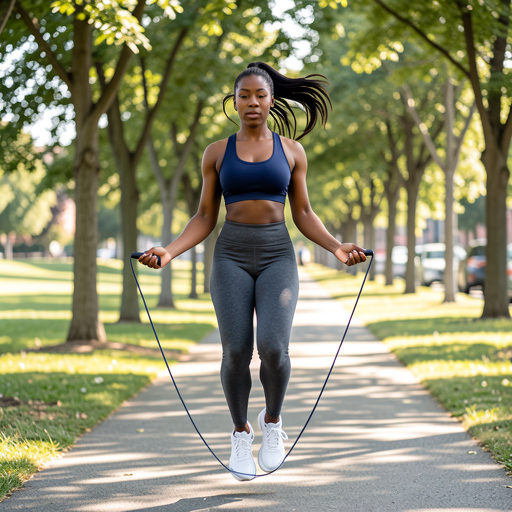
Yet the general population has only recently begun to appreciate how accessible this form of exercise truly is, sparking a revival that sees park benches replaced by open patches of grass where people lace up sneakers and start skipping. To jump rope effectively you need little more than a training jump rope and a flat patch of ground. The wrists do the work, not the arms and the elbows should stay pinned close to the ribs while the forearms rotate the handle. Knees remain soft, absorbing each landing rather than locking out, which protects the joints and keeps impact manageable even during extended sessions.
🥕
Beginners often make the mistake of bouncing too high, treating the rope like a trampoline instead of a timing device, which rapidly turns a twenty-minute cardio session into a ten-minute gasp for air. Proper form means the rope clears the feet by mere inches, conserving energy and maintaining a cadence that keeps the heart rate elevated without pushing it into uncomfortable territory. The mental benefits of a consistent skipping routine are just as noteworthy as the physical ones. The repetitive motion induces a meditative state that many practitioners describe as moving meditation, where the only things that matter are the next jump and the next count.
🐐
Each rotation lets stress melt away as the rhythm takes over and the measurable progression from clumsy beginner to smooth sixty-second interval provides a steady stream of small victories that reinforce discipline. Unlike running on a treadmill where miles blur together in monotony, skipping offers constant opportunities to vary speed, incorporate double-unders or practice criss-cross patterns, keeping the brain engaged and the workout from ever feeling stale. Building a sustainable practice demands patience and a willingness to tolerate early discomfort. The first week will likely bring cramped forearms, sore shins and an embarrassing number of stumbles as the body adjusts to the unfamiliar rhythm.
🤴
Pushing through that awkward phase is essential because the payoff arrives once muscle memory takes over and the rope stops feeling like an obstacle and starts feeling like an extension of the arms. Ten minutes a day builds a habit that sticks far better than sporadic hour-long sessions, whether you squeeze them in before work or during a lunch break, and that consistency is what grows your fitness faster than any single long effort. The beauty of this exercise lies in its simplicity and that simplicity is precisely what makes it endure.